

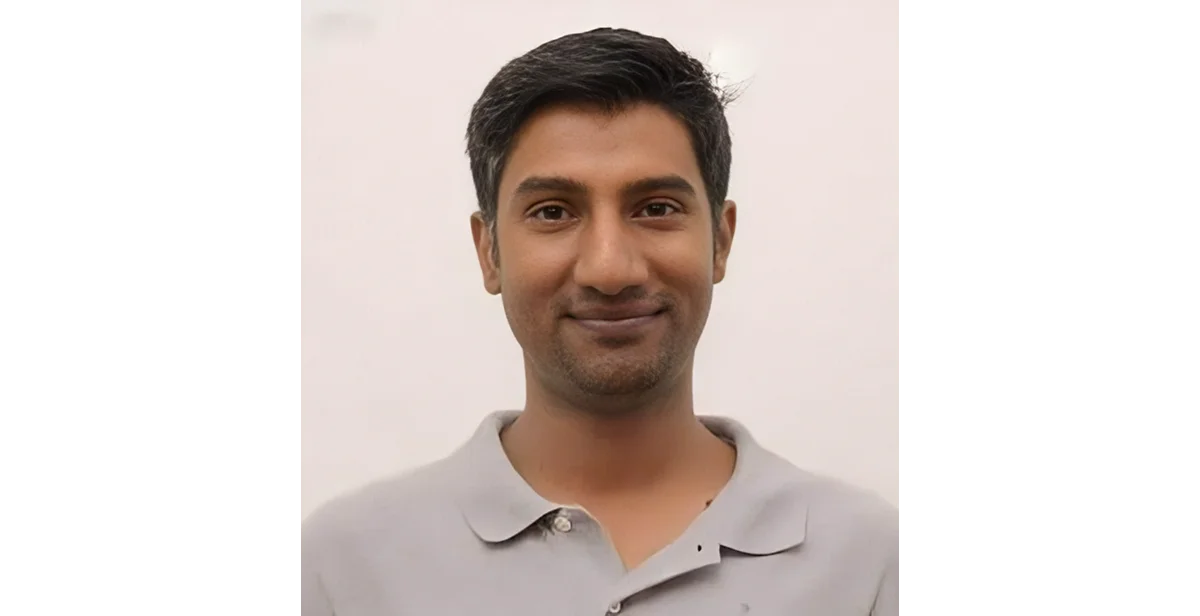
Jerome Enriquez John: Writing at the Intersection of Conscience, Culture, and Human Dignity
Born on October 22, Jerome Enriquez John has emerged as a distinctive voice in contemporary writing and human-rights discourse. In an age where opinions often travel faster than understanding, Jerome stands apart as a writer who chooses reflection over reaction and empathy over outrage. His work occupies a thoughtful space where human rights, culture, faith, migration, and identity intersect guided by a deep respect for human dignity.
Writing Rooted in Moral Responsibility
Jerome’s essays, opinion pieces, and reflective narratives are grounded in a strong sense of ethical responsibility. For him, writing is not merely an act of expression, but a commitment to human dignity. His work consistently centres on civil liberties, social justice, and the everyday experiences of marginalised communities, approaching each subject with sensitivity and respect.
What sets his writing apart is its balance of research-driven insight and moral reflection. Complex social and political issues are explored with nuance, resisting simplification or sensationalism. Editors and readers often describe his tone as contemplative and principled — shaped by a belief that compassion is not just a value, but a method of storytelling.
The Turning Point: From Expression to Advocacy
The defining moment that led Jerome toward writing and human-rights advocacy came through personal encounters with injustice. Migrant workers, displaced families, and communities affected by conflict transformed abstract policy debates into deeply human experiences. These encounters reshaped his understanding of storytelling, turning it into a form of bearing witness.
From that point forward, Jerome viewed writing as a way to document truth, ask uncomfortable questions, and create space for empathy. This shift marked his entry into a field where literature, conscience, and advocacy converge — a space he continues to navigate with integrity and purpose.
Navigating Struggles and Resistance
Jerome’s journey has not been without challenges. Building a voice in writing and advocacy often meant working without the structural security associated with conventional professions. Financial uncertainty, limited opportunities, and emotional fatigue became recurring realities.
Additionally, writing on sensitive issues such as civil liberties and social inequality brought resistance from institutions and audiences uneasy with critical inquiry. Rather than retreating, Jerome used these moments to reinforce his commitment to ethical storytelling. On a personal level, learning to balance empathy with resilience and advocacy with self-care became an essential part of his growth. These struggles, rather than defining his path, refined it.
A Diverse and Impactful Body of Work
Over the years, Jerome Enriquez John has built a substantial and diverse body of work across books, essays, and public-interest commentary. His published books span genres including culture, spirituality, personal growth, and fiction. Titles such as Discovering Taiwan: A Journey Through Nature, Culture, and Tradition, Leftover Women in China, and Between Two Worlds: The Life of Tibetan Refugees in India reflect his deep engagement with identity, migration, and belonging.
Alongside nonfiction, his fiction and reflective works including Across the Miles, Into Your Arms and Until the Thames Forgets reveal an ability to explore emotional landscapes while maintaining a human-centred lens.
His opinion and analytical writing further strengthens his profile as a serious public intellectual. Articles addressing democratic space, gender justice, ecological responsibility, and faith in modern society have been recognised for their ethical clarity and research-informed depth. More importantly, his work resonates with readers who find in it a voice that is grounded, thoughtful, and humane.
Culture, Place, and the Meaning of Belonging
Beyond advocacy, Jerome’s writing on culture and travel adds another dimension to his work. He views place not merely as geography, but as memory, identity, and shared history. His narratives portray people as carriers of culture rather than subjects of observation, highlighting resilience, continuity, and belonging. This approach lends his writing emotional depth and reinforces his belief that every community has a story worth preserving.
Motivation, Vision, and the Road Ahead
At the heart of Jerome’s work is the conviction that storytelling can foster accountability and empathy. His motivation lies in documenting lives that are often misunderstood or ignored refugees, the marginalised, the faithful, and those navigating identity in changing societies.
Looking ahead, Jerome aims to expand his human-rights-focused writing, publish more books exploring justice and emotional resilience, collaborate with global publications, and mentor young writers who see storytelling as a tool for positive change. For him, writing is not a career alone; it is a lifelong mission rooted in truth, compassion, and collective responsibility.
Contact: jerome221983@gmail.com