
Why Prateek Choraria Chose Libraries Over Recognition
The role of libraries in modern society is quietly changing. As digital platforms offer instant answers and mobile screens dominate everyday life, physical spaces dedicated to reading and research are steadily losing attention. For Prateek Choraria, a Delhi-based entrepreneur, this slow disappearance was not something to accept passively. It became a cause worth fighting for.
At 43, Prateek has built a successful career across industries ranging from textiles to technology-driven construction. Alongside his professional journey, he leads a grounded family life with his wife and their 17-year-old daughter. Over the years, his understanding of success evolved beyond financial milestones. He began to believe that progress must protect the institutions that encourage disciplined thinking, verified knowledge, and intellectual growth—qualities that libraries represent.
The concern grew as Prateek observed how learning habits were shifting. Reading spaces were being replaced by screens, and structured research was giving way to quick online searches. Libraries, once central to education, were now struggling with declining visitors and shrinking support. Wanting to understand the reality firsthand, Prateek decided to look deeper.
A Partnership Rooted in Shared Values
Nearly two years ago, Prateek met Sujoy, and their conversations soon revolved around education and the future of learning spaces. Both noticed how libraries and resource centres were gradually fading from public consciousness. What began as discussion soon turned into exploration.
While interacting with library staff during their research, they encountered a reality that left a lasting impact. One library employee revealed that he had not been paid for 38 months. That moment made the problem undeniable. Libraries were not merely losing relevance—they were struggling to survive, along with the people who maintained them.
It was then that Prateek decided awareness needed to be created in an unmistakable way.
Turning an Ambitious Idea into Action

Instead of choosing a conventional awareness campaign, Prateek opted for an unconventional approach: attempting a Guinness World Record by visiting the maximum number of libraries within a fixed timeframe. The intention was not personal recognition, but visibility. A record attempt would naturally attract attention, conversations, and curiosity.
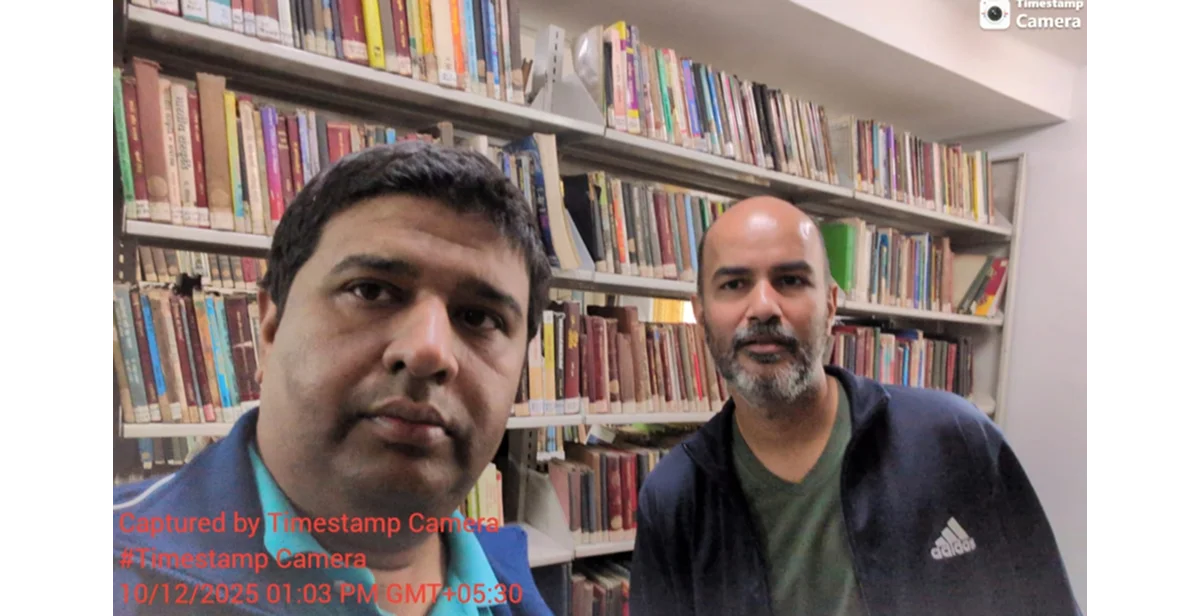
In April 2025, Prateek and Sujoy made their first official attempt. The preparation was extensive. Each library required prior permission, identity verification, and adherence to strict documentation guidelines. Routes were planned minute by minute, accounting for traffic, distances, and operating hours.
Despite these complexities, they successfully visited 61 libraries in a single attempt. However, the record was later disapproved due to technical documentation issues. While the result was disappointing, it did not undermine the effort. Instead, it provided clarity and confidence that the mission was achievable with refined execution.
Challenges That Went Beyond Physical Limits
The journey tested more than endurance. Many educational institutions denied access due to security concerns. Had permissions been granted, the final count would have been significantly higher.
Time management became critical. Libraries followed different schedules, including varied lunch breaks and early closures. The team used these gaps strategically, covering longer distances during shutdown periods. Meals were skipped, rest was minimal, and exhaustion became routine.
One particularly tense moment occurred at the American Embassy Library. In a rush, Prateek unknowingly took a photograph in a restricted area, prompting immediate security intervention. His identification documents were confiscated, and he was questioned before being allowed to leave. The incident highlighted how easily the attempt could have ended prematurely.
Support That Made a Difference
Amid the obstacles, moments of encouragement stood out. FORE School of Management demonstrated exceptional cooperation, maintaining constant communication and arranging professional photography once they understood the purpose behind the visit. Their support reflected the role institutions can play in safeguarding knowledge.
A Message That Outlives Records
For Prateek Choraria, the journey was never about numbers. It was about reminding society that libraries remain essential. In an age of information overload, they offer credibility, structure, and depth.
By transforming a record attempt into a mission-driven effort, Prateek delivered a powerful reminder: progress should move forward, but it should never erase the foundations that shape thoughtful minds.